Office
Daytona Beach
Mon–Thu 8am–4pm, Fri 8am–1pm
(386) 258-2213
 The doctor
Dr. Bryan M. Bergens
Board-certified periodontist. 31+ years of implant and periodontal surgery.
The doctor
Dr. Bryan M. Bergens
Board-certified periodontist. 31+ years of implant and periodontal surgery.
Office
Mon–Thu 8am–4pm, Fri 8am–1pm
(386) 258-2213Office
Thursdays 8am–4pm
(386) 447-5846Periodontics
Dental pocket reduction surgery (also known as osseous surgery, and flap surgery) is a collective term for a series of several different surgeries aimed at gaining access to the roots of the teeth to remove bacteria and tartar buildup (calculus).
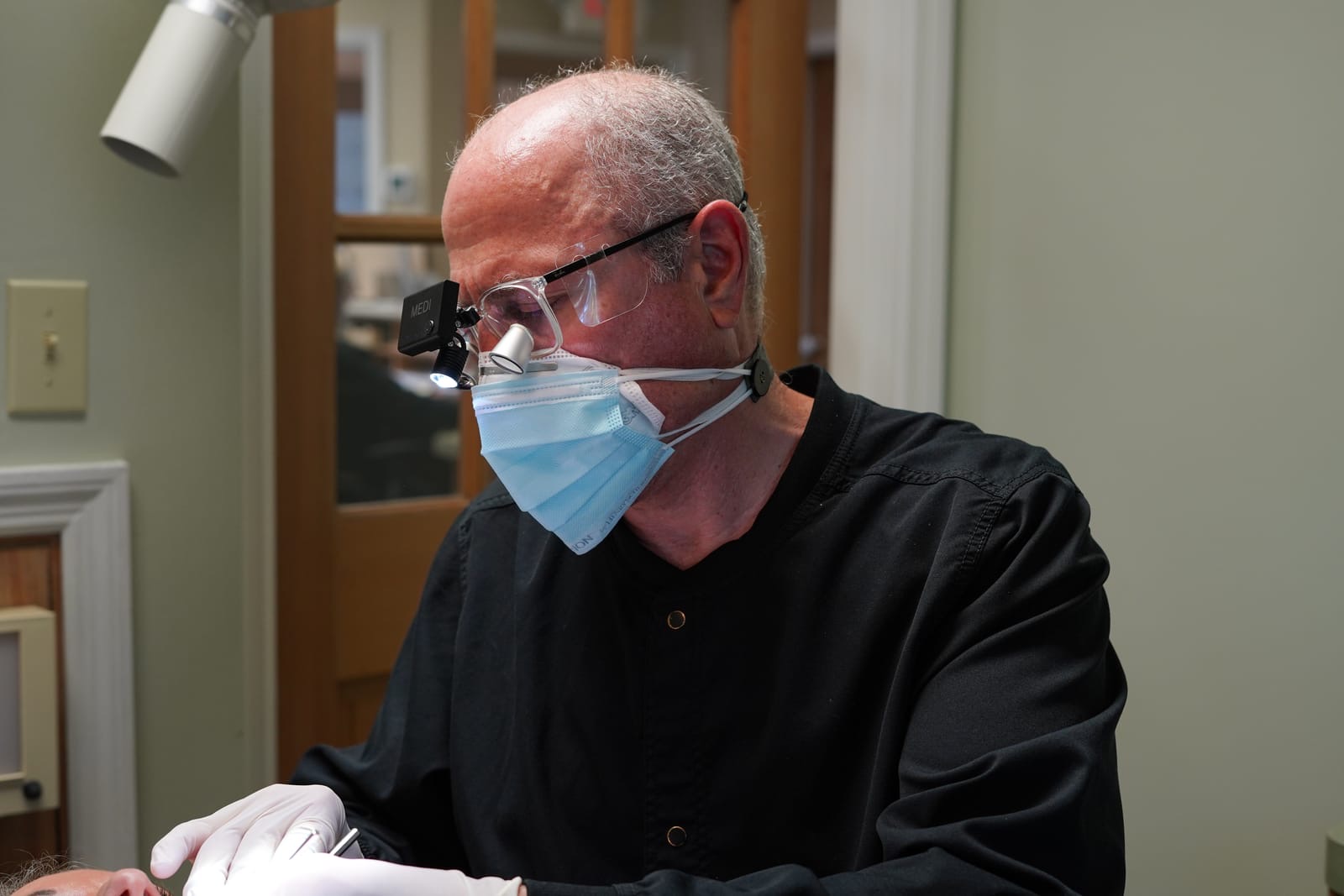
Dental pocket reduction surgery (also known as osseous surgery, and flap surgery) is a collective term for a series of several different surgeries aimed at gaining access to the roots of the teeth to remove bacteria and tartar buildup (calculus).
The human mouth contains dozens of different bacteria at any given time. The bacteria found in dental plaque (the sticky substance on teeth) produce acids that lead to demineralization of the tooth surface and ultimately contribute to periodontal disease.
Periodontal infections cause a chronic inflammatory response in the body that destroys bone and gum tissues once they invade the subgingival area (below the gum line). Gum pockets form and deepen between the gums and teeth as the tissue continues to be destroyed.
Periodontal disease is a progressive condition that, if left untreated, causes massive bacteria colonization in gum pockets and can eventually cause teeth to fall out. Pocket reduction surgery is an attempt to alleviate this destructive cycle, and reduce the depth of the bacteria-harboring pockets.
Pocket reduction surgery is a common periodontal procedure proven effective at eliminating bacteria, reducing inflammation, and saving teeth. The goals of dental pocket reduction surgery are:
In the event of an anticipated tooth loss, a periodontist may recommend a bone grafting procedure. It can help maintain the integrity of the bone structure and prevent tooth loss by supporting the affected tooth. This dental procedure involves placing bone material in the area surrounding the tooth to encourage bone regeneration and secure the tooth in its position.
What does dental pocket reduction surgery involve?
Before recommending treatment or performing any procedure, the dentist will perform thorough visual and X-ray examinations to assess the condition of the teeth, gums, and underlying bone. Gum flap surgery can be performed under local or general anesthetic depending on patient preferences. Sedation options are available for anxious patients.
The gums will be gently moved away from the teeth and harmful bacteria and calculus (tartar) will be eliminated. Scaling and root planing will generally be required to remove the ossification (tartar) from the tooth root surface. In cases where the surface is not entirely smooth, a root planing procedure may be necessary to prevent the gums from reattaching to rough or uneven surfaces as they heal.
After dental surgery, it is usual to apply an antimicrobial liquid to eliminate any remaining bacteria and facilitate the healing process. The gum is then sutured with tiny stitches left for 5-10 days.
Though the gums will be more sensitive immediately following the procedure, there will be a significant reduction in pocket depth and a vast improvement in the condition of the teeth and gums.
For patients who would prefer a scalpel-free alternative, ask about LANAP laser surgery. After surgery, follow our post-periodontal flap surgery instructions. If you have any questions about pocket reduction surgery, please contact our office.
Schedule a consultation in Daytona Beach or Palm Coast — Dr. Bergens will walk you through your options and leave you with a clear plan.
As soon as the numbness wore off, the pain went away — and I haven't had any pain since.
Next step
Call our Daytona Beach office or send an appointment request.