LANAP Laser Gum Surgery: A Less Invasive Way to Treat Periodontitis
Being told you need gum surgery is unsettling. LANAP is a laser based alternative to traditional flap surgery for moderate to severe periodontitis, performed with the PerioLase MVP-7. Here is what the procedure involves, what the 2016 FDA clearance actually says, what recovery looks like, and what the research does and does not yet prove.
Your hygienist calls out numbers while she works around your mouth. Three, three, four. Then five. Then six, six, seven on the back molars. A week later a periodontist tells you that you have periodontitis, that a deep cleaning will not solve it, and that surgery is next.
That night you search "gum surgery" and find photographs of scalpels, sutures and swollen cheeks. You close the browser and decide to think about it later.
Later turns into next year. It is a common pattern, and a costly one, because periodontitis does not pause while you decide. If the word surgery is doing all the work in your imagination, it is worth knowing about LANAP, the laser assisted new attachment procedure.
Periodontitis Is Common, and It Is Usually Quiet Until It Is Not
Periodontitis is common. Using national survey data from 2009 to 2012, CDC researchers found that roughly 46 percent of U.S. adults aged 30 and older had periodontitis, about 8.9 percent with the severe form. Among adults 65 and older, prevalence rose to about 68 percent, roughly 11 percent of them severe.
The disease is quiet because the tissue that fails first has almost no pain fibers. Plaque collects at the gumline and hardens into tartar. Your immune system responds with chronic inflammation, and over years that inflammation breaks down the fibers attaching gum to tooth and dissolves the bone holding the root in place. The space that opens up is a periodontal pocket, which shelters more bacteria and drives more inflammation. The cycle feeds itself.
If you have not been diagnosed yet and are simply wondering whether what you are seeing matters, start with the warning signs of gum disease.
By the time a tooth feels loose or an abscess flares, a lot of bone is usually gone, and bone does not grow back on its own. This is why routine cleanings and preventive care and specialized periodontal care matter well before disease becomes advanced.
How a Periodontist Measures and Classifies Gum Disease
Those numbers are probing depths, measured in millimeters. In health, the space around a tooth is generally about 1 to 3 millimeters deep and does not bleed when probed. Readings of 4 millimeters and above suggest attachment has been lost. Readings of 5, 6 and 7 millimeters are very hard to clean, at home or below the gumline.
Since 2017, periodontists have classified periodontitis using a staging and grading system from the American Academy of Periodontology and the European Federation of Periodontology. Two separate judgments are made.
Stage describes how much damage has already occurred, based mainly on clinical attachment loss, bone loss on radiographs, teeth lost and probing depths.
- Stage I: early disease, roughly 1 to 2 millimeters of attachment loss.
- Stage II: mild to moderate, roughly 3 to 4 millimeters.
- Stage III: 5 millimeters or more, with deeper pockets and teeth at risk.
- Stage IV: extensive damage plus complications such as bite collapse and drifting teeth.
Grade describes how fast it is moving: Grade A slow, Grade B moderate, Grade C rapid. Grading weighs evidence of progression when older records exist, plus smoking and blood sugar control in diabetes. The AAP publishes the 2017 classification in full.
Stage and grade together, not one deep number, determine what treatment makes sense. Many patients do well with scaling and root planing and tighter maintenance. Surgery enters the conversation when pockets stay deep and inflamed afterward, or when disease is already advanced.
What Traditional Periodontal Surgery Involves
In a conventional pocket reduction procedure, the American Academy of Periodontology describes how the periodontist folds back the gum tissue and removes the disease causing bacteria beneath it. Irregular surfaces of damaged bone are smoothed, which limits the areas where bacteria can hide, and the tissue is secured back into place so it can reattach to healthy bone. Where bone is destroyed, regenerative procedures may add membranes, bone grafts or tissue stimulating proteins to encourage the body's natural ability to regenerate bone and tissue.
This is well established treatment that has saved an enormous number of teeth. It involves incisions, sutures and a healing period patients often describe as the hardest part. Because tissue is repositioned and bone recontoured, some recession afterward is expected, which can mean longer looking teeth and more root sensitivity. That is treatable, often with gum grafting, but it is a real trade off worth knowing in advance.
What LANAP Is and How the Procedure Works
LANAP stands for laser assisted new attachment procedure. It is indicated for moderate to severe gum disease and is performed at our practice with the PerioLase MVP-7, a variable pulsed Nd:YAG dental laser. Only the PerioLase MVP-7 is designed to support the parameters of the LANAP protocol.
Instead of opening the gum with a scalpel, the periodontist passes a very fine laser fiber into the space between tooth and gum. From there:
- The laser clears infected and diseased tissue from inside the pocket while healthy tissue is preserved.
- The root surface is cleaned of tartar and plaque.
- The laser is used again at different settings to form a stable fibrin blood clot that seals the pocket, closing it without sutures.
Treatment is typically completed in two visits, with about half the mouth per session. Because the gums are not cut and laid open, patients generally experience less post operative pain, less bleeding and sensitivity, less swelling and faster healing than after conventional flap surgery. The protocol is also designed to encourage new bone growth and periodontal regeneration. More detail is on our laser surgery page.
What the 2016 FDA Clearance Says, and What It Does Not Say
This point gets exaggerated online, so state it precisely.
On May 17, 2016, Millennium Dental Technologies announced a first of its kind 510(k) clearance from the FDA for the PerioLase MVP-7 for "periodontal regeneration, true regeneration of the attachment apparatus (new cementum, new periodontal ligament, and new alveolar bone) on a previously diseased root surface when used specifically in the LANAP protocol."
Every clause there is doing work. The clearance is for a specific device, for a specific indication, and only within the LANAP protocol. It is not a clearance for laser gum treatment in general.
It also helps to know what a 510(k) clearance is. The FDA describes it as a premarket submission demonstrating that a device is as safe and effective, that is, substantially equivalent, to a legally marketed device. It is a marketing clearance: a meaningful milestone, and not a guarantee that any patient will regenerate a specific amount of bone.
What Recovery Typically Looks Like
Most patients report soreness for a few days, managed with over the counter medication and often described as a bruised or tight feeling rather than sharp pain. Bleeding and swelling are usually minimal.
The diet restriction surprises people more than the discomfort does. The fibrin clot sealing each pocket is the whole point, so it must be protected while tissue reattaches. Expect a liquid and soft diet for about two weeks, with no chewing or picking at the treated areas.
Any bone regeneration that occurs continues over roughly 18 months to 3 years, which is why follow up radiographs are taken well after the visit. Individual healing varies, and results depend on the extent of disease, your home care and whether risk factors like smoking or uncontrolled diabetes are addressed.
An Honest Look at the Evidence
A post that only lists benefits is not much use to someone making a real decision. Here is the fair version.
The strongest specific evidence for LANAP is histologic. A split mouth study led by Dr. Raymond Yukna in the International Journal of Periodontics and Restorative Dentistry found new cementum and new connective tissue attachment on laser treated teeth, which was not seen on controls treated with root planing alone. Human histology of this kind is rare, so that matters. It is also a small study, twelve teeth, and small studies show what can happen rather than how often.
The broader picture is more cautious. In 2017 the American Academy of Periodontology convened a Best Evidence Consensus meeting on lasers, published in the Journal of Periodontology in 2018. The panel concluded that when laser treatment is added to mechanical treatment, similar or slightly better clinical outcomes are observed, and that there is no additional benefit to lasers beyond traditional periodontal surgery. Then AAP President Dr. Steven R. Daniel noted that the findings were not an Academy position on laser use in patient care, and that without a critical mass of evidence, practitioners must rely on their judgment and training. A 2025 randomized controlled trial in Lasers in Medical Science found LANAP effective as an adjunct to scaling and root planing, especially in deep pockets, while calling for larger samples and longer follow up.
So what should a patient take from that? Traditional surgery remains proven and appropriate, and LANAP is not a replacement for it. What it offers many patients is a comparable goal by a less invasive route, and a treatment a fearful patient will actually complete is worth a great deal.
Who Is a Candidate for LANAP
LANAP is not right for every patient, and no one can determine candidacy from a web page. That decision follows a clinical examination: periodontal charting, radiographs to assess bone levels and defect shapes, a review of your medical history and medications, and an honest conversation about smoking and blood sugar control.
Some patients need less than they feared and do well with non surgical therapy and closer maintenance. Some have recession as the dominant problem and are better served by gum grafting or the Chao Pinhole Surgical Technique. Some have teeth too far gone to save, where the predictable path is removal and replacement with dental implants, including single tooth replacement. What matters is that the plan is built from your findings, not a procedure chosen in advance.
This article is general educational information about periodontal treatment. It is not a substitute for an examination, diagnosis and treatment plan from a licensed dental professional.
Frequently asked questions
- Is LANAP painful?
Most patients report less discomfort than they expected, and less than after conventional flap surgery. The area is numbed during treatment, and afterward most people describe soreness for a few days that responds to over the counter medication. No procedure can be called painless, and pain tolerance varies. If dental anxiety is a factor, ask about sedation dentistry.
- How many appointments does LANAP take?
The protocol is typically delivered over two treatment visits, with roughly half the mouth treated at each. Appointment length depends on how many teeth are involved and how deep the pockets are. Plan on follow up visits so healing can be checked, plus radiographs later to assess bone changes.
- Will my gums recede after LANAP?
Because the gum tissue is not incised and reflected, LANAP is generally associated with less recession than conventional pocket reduction surgery, where recession is an expected consequence of repositioning tissue and recontouring bone. Some change can still occur as inflammation resolves and swollen gums shrink to a healthier contour. Dr. Bergens will discuss your specific sites.
- Does LANAP replace deep cleaning?
No. Cleaning the root surfaces is part of the LANAP protocol, and removing plaque and tartar is fundamental to any periodontal treatment. Many patients have scaling and root planing first, and surgery is considered for sites that stay deep and inflamed. After LANAP, ongoing maintenance protects the result.
- Can LANAP save a loose tooth?
Sometimes, and sometimes not. Mobility reflects how much supporting bone is already lost, and severely compromised teeth may not be salvageable. Splinting is occasionally used to stabilize teeth during healing. When a tooth cannot be saved, our oral surgery and implant options are discussed openly rather than after a failed attempt.
- Is LANAP covered by dental insurance?
Coverage varies widely by plan, and some carriers process laser periodontal therapy differently than conventional surgical codes. Our team can review your benefits and submit a predetermination so you know where you stand before treatment. We do not discuss fees in an article, because the answer depends on your examination.
Talk it through with a specialist
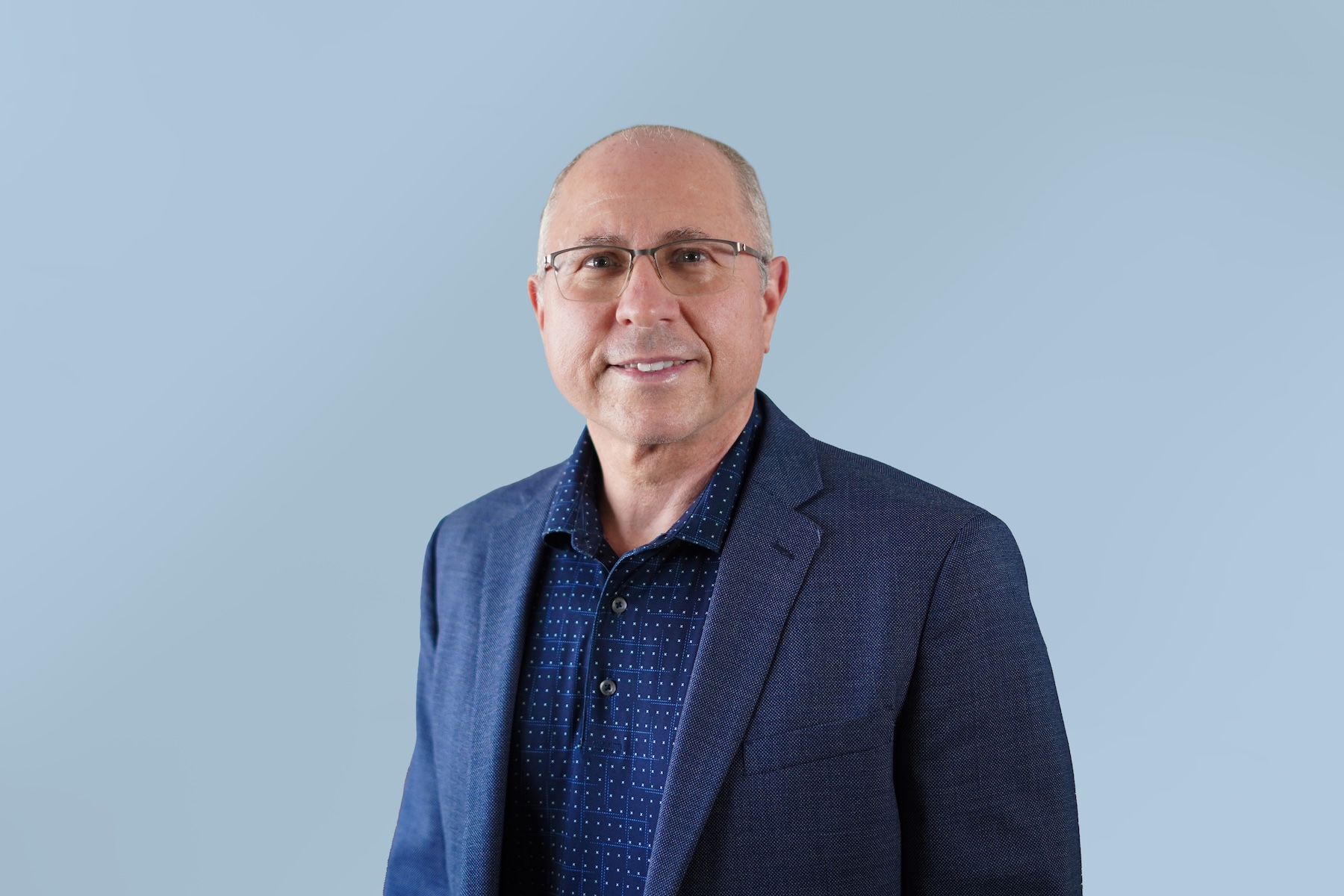
Dr. Bryan M. Bergens is a board-certified periodontist serving Daytona Beach and Palm Coast. A consultation replaces guesswork with measurements.