Office
Daytona Beach
Mon–Thu 8am–4pm, Fri 8am–1pm
(386) 258-2213
 The doctor
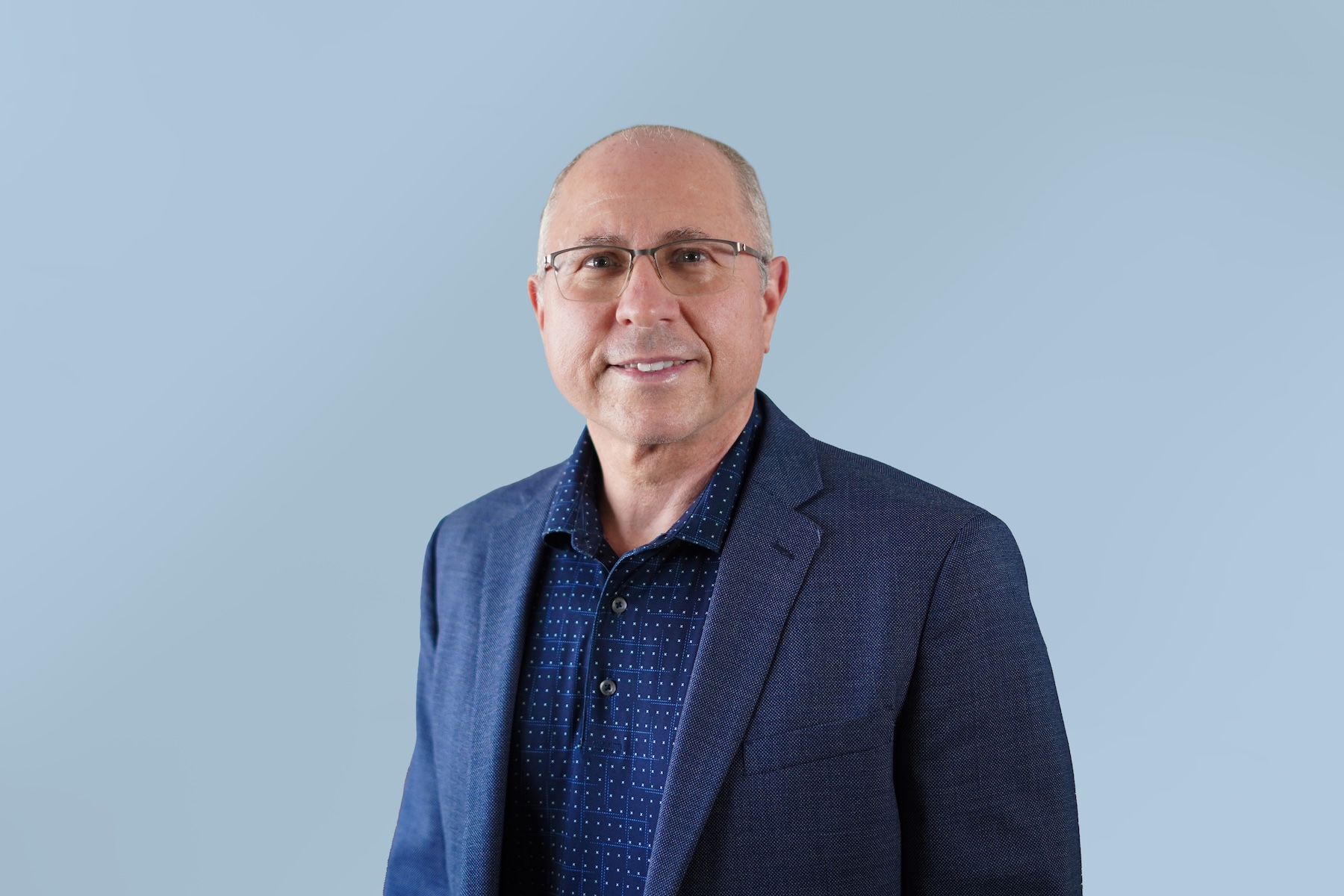
Dr. Bryan M. Bergens
Board-certified periodontist. 31+ years of implant and periodontal surgery.
The doctor
Dr. Bryan M. Bergens
Board-certified periodontist. 31+ years of implant and periodontal surgery.
Office
Mon–Thu 8am–4pm, Fri 8am–1pm
(386) 258-2213Office
Thursdays 8am–4pm
(386) 447-5846Periodontics
A gum tissue graft (also known as a gingival graft or periodontal plastic surgery), is a collective name for surgical periodontal procedures that aim to cover an exposed tooth root surface with grafted oral tissue.
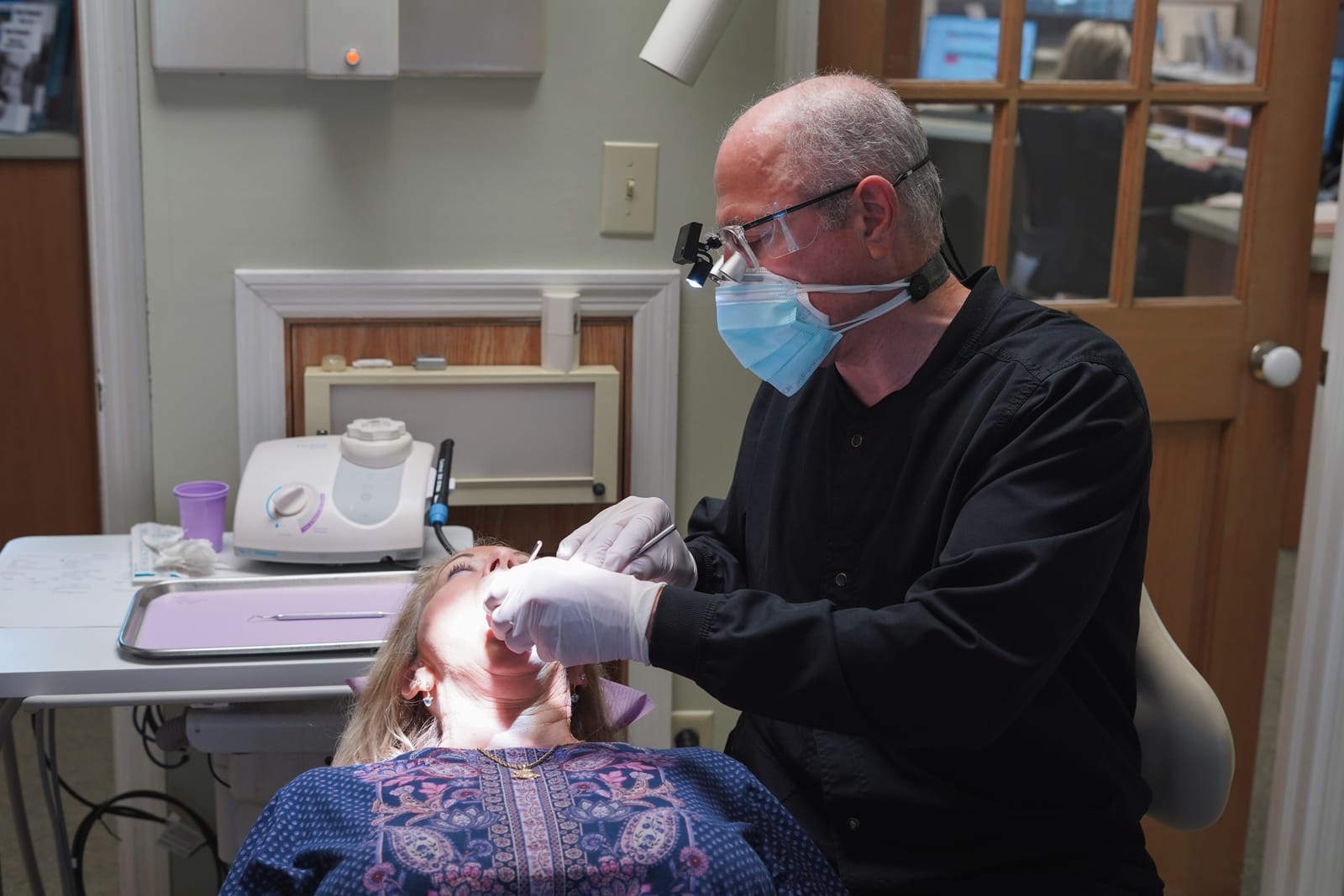
A gum tissue graft (also known as a gingival graft or periodontal plastic surgery), is a collective name for surgical periodontal procedures that aim to cover an exposed tooth root surface with grafted oral tissue.
Exposed tooth roots are usually the result of gingival recession due to periodontal disease. There are other common causes, including overly aggressive brushing and trauma.
Gum graft surgery is a common periodontal procedure. Though the name might sound frightening, the procedure is commonly performed with excellent results.
Receding gums?
Cover exposed roots.
Recession doesn’t reverse on its own.
Grafting protects exposed roots, reduces sensitivity, and helps halt further tissue and bone loss.
Schedule a consultationOnce the need for gum graft surgery has been determined, there are several treatments the periodontist will want to perform before gum grafting takes place. First, the teeth must be thoroughly cleaned supra and subgingivally with scaling and root planing to remove calculus (tartar) and bacteria. The dentist can also provide literature, advice, and educational tools to increase the effectiveness of homecare and help reduce the susceptibility of gum disease in the future.
The gum grafting procedure is usually performed under local anesthetic. For patients who prefer a scalpel-free, suture-free option, the Chao Pinhole technique may be an alternative for treating recession. The exact procedure will depend much on whether the tissue comes from the patient’s palate or a tissue bank.
Initially, small incisions will be made at the recipient site to create a small pocket to accommodate the graft. Then a split-thickness incision is made and the connective tissue graft is inserted into the space between the two sections of tissue. The graft is usually slightly larger than the recession area, so some excess will be apparent.
Sutures are often placed to further stabilize the graft and to prevent any shifting from the designated site. Surgical material protects the surgical area during the first week of healing. Uniformity and healing of the gums will be achieved in approximately six weeks. Review our post-graft surgery instructions for what to expect while you heal.
Schedule a consultation in Daytona Beach or Palm Coast — Dr. Bergens will walk you through your options and leave you with a clear plan.
I had gum grafting with Dr. Bergens and couldn't be more pleased… any discomfort was minimal.
Next step
Call our Daytona Beach office or send an appointment request.